Why You Need an Emergency Fund Before Going All-In on Debt

When you’re fired up to pay off debt, putting money into savings feels wrong. Why would you let cash sit in a savings account earning 4% when you have credit cards charging 24%?
The math says throw everything at debt. But real life doesn’t run on math alone.
The Problem with Zero Savings
Imagine you’re three months into your debt payoff journey. You’ve been crushing it—extra payments every month, watching balances drop. Then your car breaks down. The repair costs $800.
Without an emergency fund, you have two options:
- Put it on a credit card — You just added debt while trying to pay off debt. Psychologically devastating.
- Derail your payoff plan — Stop extra payments for months while you recover.
Both options kill momentum. And momentum is everything when you’re paying off debt.
The Starter Emergency Fund
Most financial experts agree: before you go aggressive on debt payoff, build a starter emergency fund of $1,000 to $2,000.
This isn’t a fully funded emergency fund. It’s a buffer—just enough to handle the most common unexpected expenses without reaching for a credit card:
- Minor car repairs
- Medical copays
- Urgent home repairs
- A trip to the vet
- Replacing a broken appliance
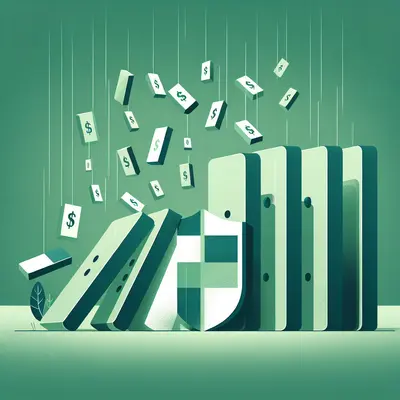
Think of it as insurance for your debt payoff plan. The small cost of keeping this money in savings is far outweighed by the protection it provides.
How to Build It Quickly
If you don’t have $1,000 saved, make it your first priority—even before extra debt payments.
Quick wins to build your fund:
- Sell stuff you don’t use. Most people have hundreds of dollars of unused items sitting around their home.
- Cut one expense temporarily. Pause a subscription, skip dining out for two weeks, or brown-bag lunch for a month.
- Direct your next windfall to savings. Tax refund, birthday money, rebate check—let it go straight to the emergency fund.
- Pick up a short-term side gig. A few weekends of extra work can get you there.
The goal isn’t to build this fund slowly. Get to $1,000 as fast as you can, then redirect all extra money back to debt payoff.
Where to Keep It
Your emergency fund should be:
- Accessible — You need to be able to get it within 1-2 business days
- Separate from your checking account — If it’s in your checking account, you’ll spend it
- In a high-yield savings account — Earn some interest while it sits there
Online banks typically offer the best rates for savings accounts. Open a separate account, set up a direct transfer, and don’t touch it unless it’s a genuine emergency.
What Counts as an Emergency?
This is where discipline matters. An emergency is:
- An unexpected, necessary expense
- Something that affects your health, safety, or ability to earn income
- Not something you could have planned for
An emergency is not:
- A sale on something you want
- A concert you forgot to budget for
- Holiday gifts
- A “treat yourself” moment
Be honest with yourself. If it’s not a true emergency, find another way to cover it.
After Debt: The Full Emergency Fund
Once your debt is paid off, it’s time to build a full emergency fund—typically 3-6 months of essential expenses. This larger fund protects you from bigger disruptions like job loss, major medical expenses, or significant home repairs.
But that’s a future goal. Right now, focus on getting that starter fund in place so your debt payoff plan has a safety net.
The Bottom Line
A $1,000 emergency fund isn’t exciting. It doesn’t feel like progress on your debt. But it’s the foundation that makes everything else possible.
Without it, one unexpected expense can undo months of hard work and send you spiraling back into debt. With it, you can handle life’s surprises and keep marching toward your debt-free date.
Build the buffer. Then attack the debt with everything you’ve got. Use the PayoffHub calculator to see exactly how fast you can be debt-free once your emergency fund is in place.
The best debt payoff plan is the one that survives contact with real life. An emergency fund makes sure yours does.
Ready to take action?
Use our free debt payoff calculator to create your personalized plan.
Calculate Your Payoff Date